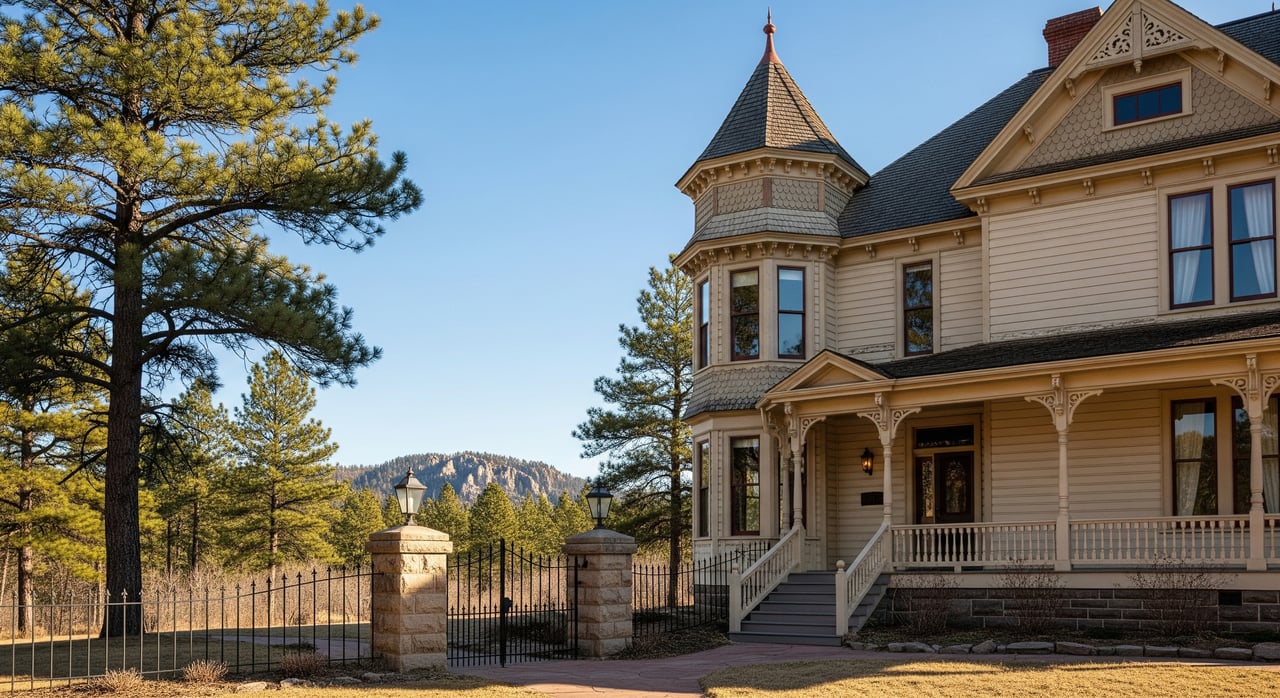
What would it be like to live in a real Old West town surrounded by pine forests, winding canyons, and storied main streets? If Deadwood has been on your mind, you are not alone. You want character, access to the outdoors, and day-to-day convenience that still feels small-town. This guide walks you through neighborhoods, housing styles, lifestyle rhythms, and the practical details you should know before you buy in 57732. Let’s dive in.
Why Deadwood stands out
Deadwood blends preserved gold‑rush history with modern living. Much of the downtown and nearby streets sit within a recognized historic district. That status influences architecture, signage, and renovations. You will see authentic 19th‑century storefronts, walkable blocks, and careful stewardship throughout the core. For background on preservation and local processes, start at the City of Deadwood. You can also review broader national context on historic designations through the National Park Service resources.
Tourism and gaming shape the local economy. Main Street is active with visitors in peak seasons, which means more dining and entertainment options, and a steady calendar of events. Outside the core, residential areas feel quieter. Daily life balances the energy of a destination town with the routines of a close-knit community.
Neighborhoods at a glance
Historic downtown and close-in blocks
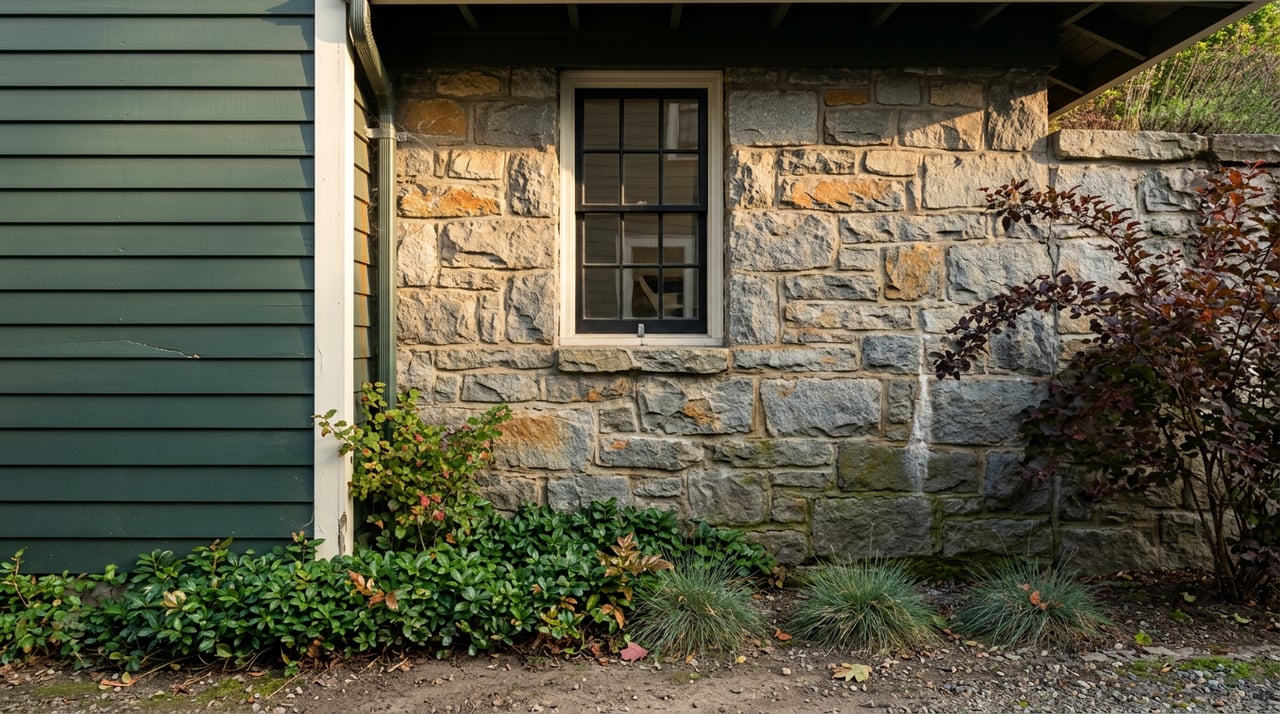
If you want to live in the storybook part of Deadwood, this is it. You will find late 19th and early 20th century homes, compact lots, and the occasional converted commercial building. Many houses retain original details that give them character. In return, you should plan for typical older-home updates like insulation, wiring, plumbing, and roofing.
Properties inside the historic district often require review for exterior changes. Window styles, siding, and additions may need approval. Check requirements early with the City of Deadwood. Parking tends to be tighter near Main Street. Expect on-street or limited off-street options and more foot traffic during events.
Hillside and valley neighborhoods
On the slopes and in the nearby valleys, you will see a mix of mid-century ranch homes, cabins, and newer construction. Lots are generally larger than downtown, and views can be excellent. Topography is a factor. Steeper parcels may require grading, drainage planning, or specialized foundations. If you want a more traditional single-family setting without strict preservation rules, these areas are a strong fit.
Rural and mountain properties
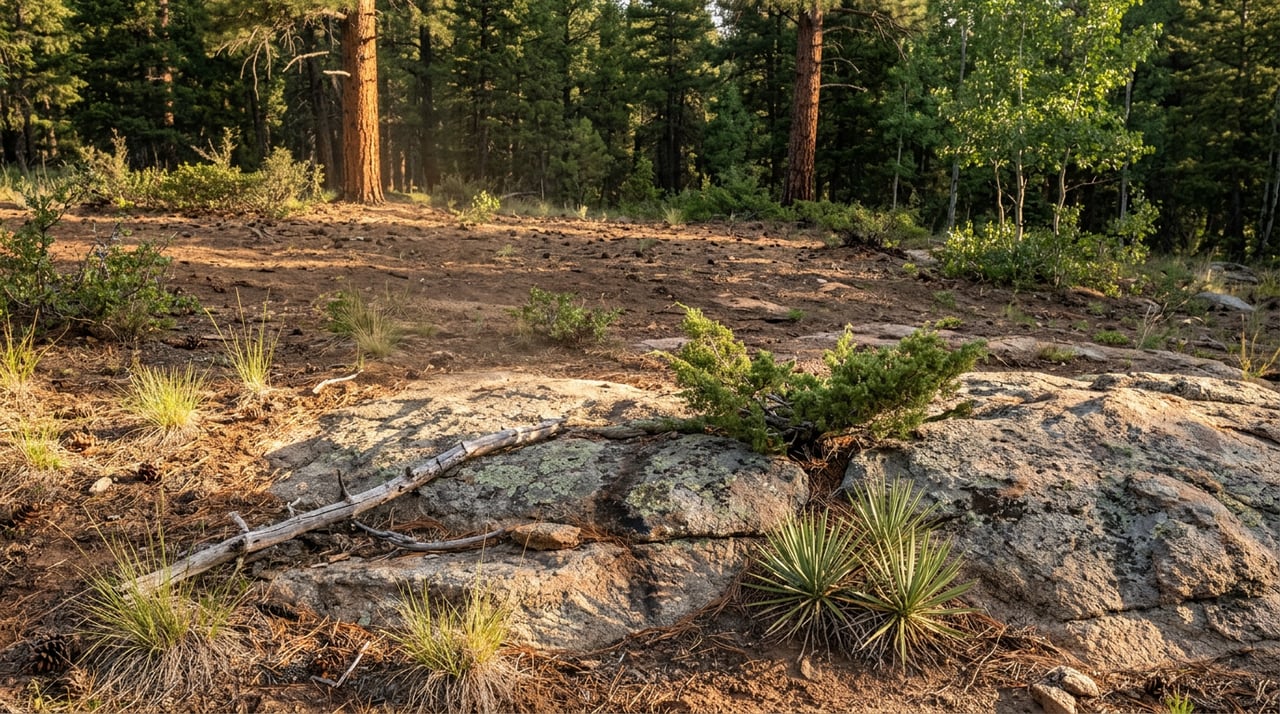
Farther from the center, 57732 includes true acreage, small ranches, and recreational cabins. These properties can feel very private, with forest and meadow settings. Many rely on private wells and septic systems, and some have seasonal access considerations. Winter maintenance, utility availability, and driveway design matter more the farther you go from town.
What it feels like to live here
Daily rhythm and seasonality
Deadwood has a clear seasonal rhythm. Late spring through early fall brings peak visitors and a full slate of happenings. Event weekends increase traffic and fill restaurants, then shoulder seasons slow down. Some businesses shorten hours in winter, while locals enjoy quieter streets and easy access to trails.
The community celebrates its heritage with parades, reenactments, and museum programs. The Days of ’76 Rodeo is a signature summer event that draws regional attention. To explore the broader event calendar and local resources, browse the Deadwood Chamber.
Amenities and services
You have everyday essentials in town, including groceries, restaurants, and basic services. For big-box shopping or specialty needs, many residents drive to Spearfish or Rapid City. Healthcare options in the immediate area include clinics and basic emergency care, with more specialized services typically found in larger regional centers.
Recreation in your backyard
You are in the Black Hills, which means year-round access to hiking, mountain biking, fishing, and hunting. The Black Hills National Forest puts trail networks and scenic drives within easy reach. In winter, downhill skiing at Terry Peak is a quick trip from town. Lakes and reservoirs in the region, such as Pactola Lake, offer boating and fishing when the weather warms up.
Work and commute realities
Local jobs cluster in gaming and hospitality, retail and services, public sector roles, and tourism-related businesses. Many residents also commute to nearby towns. For regional labor trends and sector data, the South Dakota Department of Labor & Regulation is a reliable starting point.
Expect to drive for most commutes. Lead is next door, Spearfish is roughly 10 to 15 miles, Sturgis about 20 miles, and Rapid City about 35 to 50 miles depending on your route. Winter weather can extend drive times. Snow and ice management is part of normal life, and it pays to keep a winter-ready vehicle.
Buying considerations in a historic mountain town
Preservation and permitting
If you buy in or near the historic district, plan for an extra review step on exterior work. The goal is to respect the town’s historic character while allowing sensible updates. Connect early with the city to understand what materials, window types, and additions are likely to be approved. Start with the City of Deadwood for links to preservation information. You can also explore general historic designation guidance via the National Park Service.
Property condition and maintenance
Older homes can be rewarding, but they often need modernization. Common items include electrical panels, plumbing supply lines and drains, insulation, roof condition, and historic windows. In some cases, you will balance efficiency upgrades with preservation guidelines. Build a budget for phased improvements and set aside funds for unexpected findings during inspection.
Land, wells, septic, and utilities
Rural properties may rely on private wells and septic systems. Make sure to schedule proper water testing and septic inspections during due diligence. Broadband and cellular service vary by location throughout the Black Hills. Some parcels have limited wired options and rely on fixed wireless or satellite. Always confirm providers at the address level using the FCC Broadband Map.
Topography, drainage, wildfire, and winter
Steep or rocky terrain is common. Review drainage, retaining needs, and driveway design before you write an offer. Wildfire risk is a regional consideration in forested areas. Learn about defensible-space practices and insurance implications for your specific site. Snow load and ice can affect roofs, decks, and driveways, so factor winter conditions into your maintenance plan.
Pre-purchase checks
- Confirm whether the property falls inside a historic district and ask the city about approval steps for planned exterior work.
- Order thorough inspections for older systems, plus well water testing and septic evaluation if applicable.
- Walk the lot after a rain to understand drainage and access, and review snow removal options.
- Verify internet and cellular providers at the exact address on the FCC Broadband Map.
- Ask about seasonal road maintenance and any private road agreements.
How to choose your Deadwood fit
- Choose downtown if you want to walk to restaurants, museums, and events, and you love the charm of historic homes. Be ready for smaller lots, tighter parking, and preservation guidelines.
- Pick hillside or valley neighborhoods if you want a traditional single-family home, more space, and easier parking, plus a mix of mid-century and newer builds.
- Go rural if you want acreage, privacy, and a cabin or ranch setting. Plan for wells, septic systems, winter access, and more hands-on property care.
Next steps with a local guide
Deadwood is all about place, history, and the land. Your best move is to work with a team that lives and breathes this market. Our brokerage pairs deep local knowledge with professional marketing and hands-on service across historic homes, residential neighborhoods, and acreage. If you are considering a move, reach out to Real Properties of Lead Deadwood to discuss your goals, preview neighborhoods, and map out a clear plan.
FAQs
Is Deadwood walkable for daily errands?
- Downtown is compact and pedestrian friendly for dining and entertainment, while hillside and rural areas typically require a vehicle for most trips.
What are the rules for renovating a home in Deadwood’s historic district?
- Many exterior changes need review to align with preservation guidelines; start by consulting the City of Deadwood to understand permits and materials.
How does tourism affect everyday living in Deadwood?
- Peak season brings more visitors, traffic, and extended business hours, while off-season is quieter and can mean reduced hours at some businesses.
What should I know about winter in the Black Hills as a homeowner?
- Expect snow and ice that can affect driveways and roofs, plan for snow removal, and allow extra commute time during winter storms.
How reliable is internet service around Deadwood, especially on rural acreage?
- Coverage varies widely; confirm choices at the address level using the FCC Broadband Map and consider fixed wireless or satellite where wired options are limited.