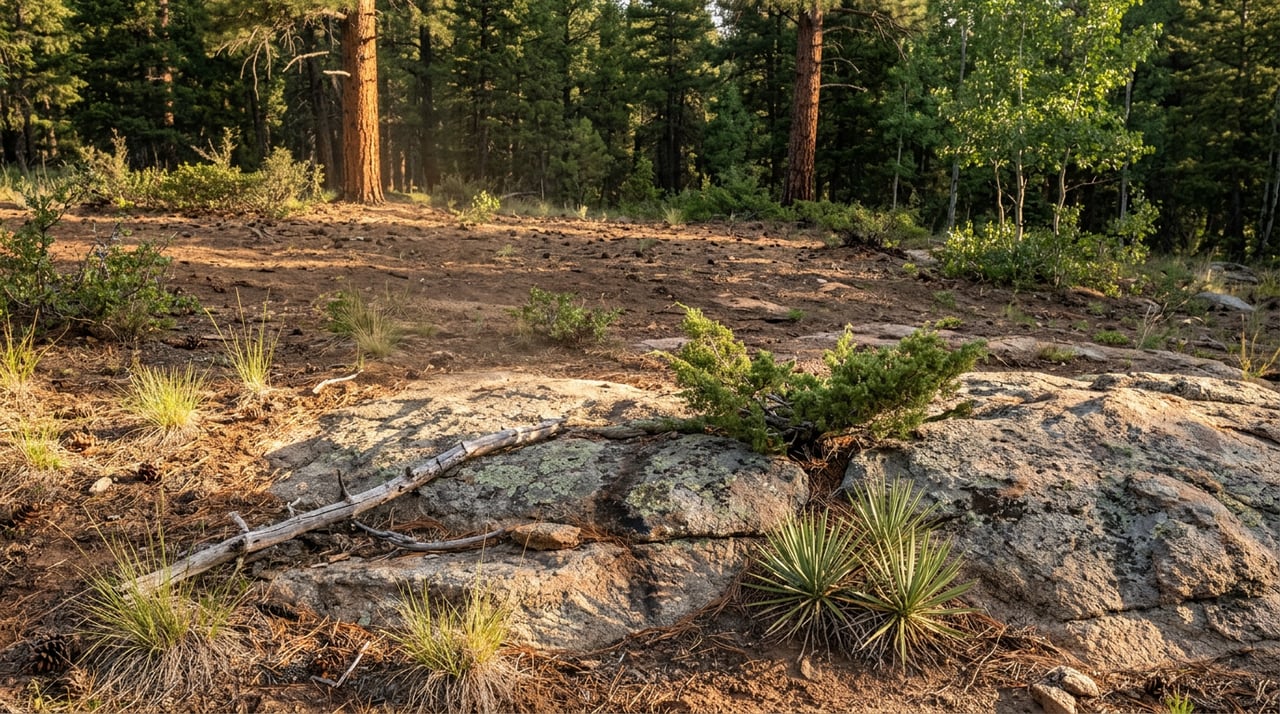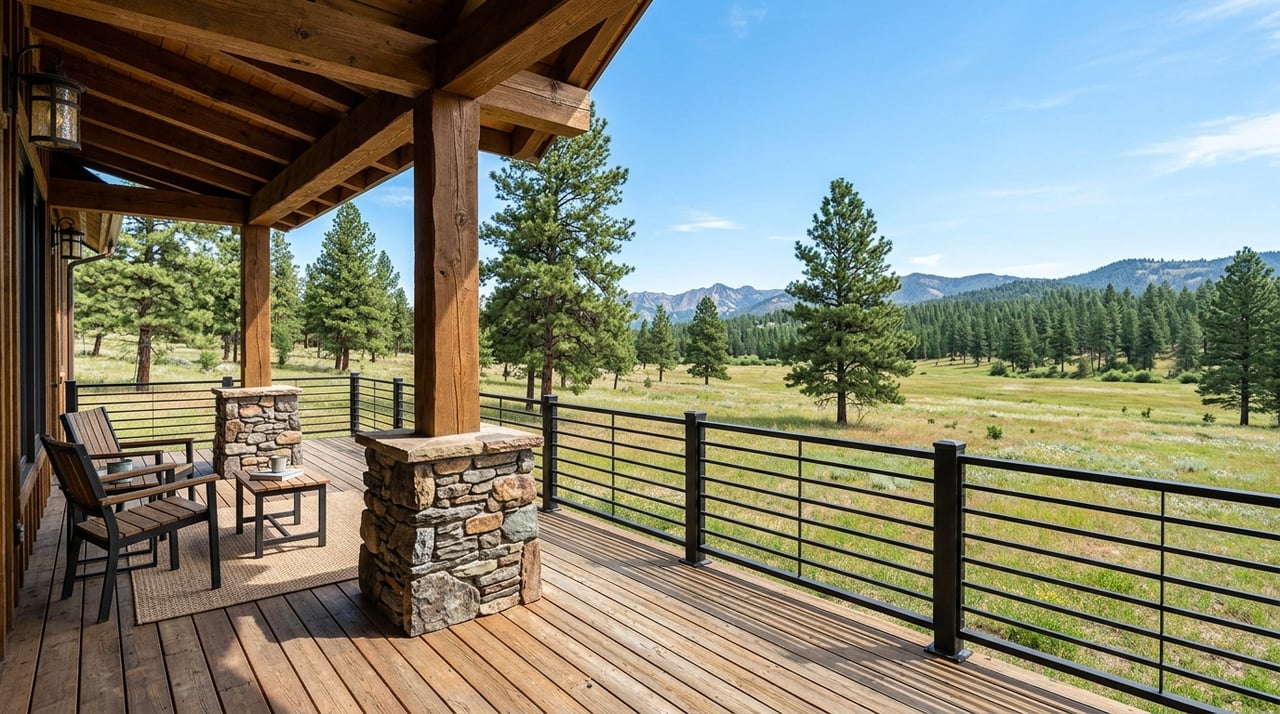
Dreaming about a scenic parcel outside Sturgis? The view may be what gets your attention, but the real decision usually comes down to what the land can actually do. If you are considering rural or view acreage around Sturgis, you need to look beyond the horizon line and focus on access, utilities, permits, and seasonal use before you buy. Let’s dive in.
Why acreage near Sturgis needs extra diligence
Buying rural land around Sturgis is different from buying an in-town home. In many cases, you are not just evaluating the land itself, but also whether it has legal access, where you can build, how water and wastewater will work, and whether any temporary Rally-related use is allowed.
That local framework matters. Meade County Planning and Equalization explains that it coordinates residential, commercial, industrial, and agricultural growth and supports rural living without requiring full urban services. That can create opportunity, but it also means you should verify details on a parcel-by-parcel basis.
Start with jurisdiction
One of the first questions to answer is simple: who regulates the property? According to the City of Sturgis, the city regulates property within city limits and three miles beyond them. Outside that area, Meade County is generally the authority you will work with.
This affects more than zoning. It can influence building rules, utility expectations, and whether city services are even an option. Before you assume a parcel has city-style access or utilities, confirm exactly where it sits in relation to city boundaries.
It is also smart to compare parcel information across sources. Meade County notes that its GIS map is for reference only and is not a plat or survey, so buyers should confirm current information with county offices rather than relying on the map alone.
Confirm legal access early
A beautiful parcel can still be a problem if access is unclear. Legal access is one of the most important due diligence items for rural acreage, especially if the land sits off a secondary road, along a section line, or behind another property.
The South Dakota Attorney General has explained that section-line highways can exist by law unless they have been vacated or relocated. At the same time, Meade County’s approach permit process shows that new, improved, relocated, removed, or temporary access may require county approval.
For you as a buyer, that means asking a few direct questions:
- Does the parcel front a county road?
- Does access depend on a recorded easement?
- Is the route only visible on the ground, or is it legally documented?
- Will a driveway approach or culvert need county approval?
If access needs to be improved, the county may want a sketch, vicinity map, development plan, and drainage plan. That is a strong reason to investigate access before closing, not after.
Check records, easements, and restrictions
Rural land often comes with important recorded documents that do not show up in a listing photo. Deeds, easements, mortgages, liens, and related instruments are filed through the Meade County Register of Deeds. This is where you may confirm ownership history and look for restrictions that affect how the land can be used.
If you are buying acreage for a home, a cabin, seasonal use, or a future build, recorded easements and deed restrictions can shape what is possible. A local broker can help you identify the right questions, but the records themselves still need to be reviewed carefully.
Make sure the parcel is buildable
A rural parcel may look ready for a home, but buildability depends on more than open space. Meade County’s planning materials say that most structures require a permit, with limited exemptions. The county also lists setbacks of 25 feet in the front, 25 feet in the back, and 8 feet on the sides.
Those setbacks are measured from property lines and, in some cases, from section-line rights-of-way and easements. On hill property or irregularly shaped acreage, that can shrink the practical building envelope more than buyers expect.
This is why it helps to think in layers:
- Where can the house sit?
- Where can the driveway go?
- Is there room for an outbuilding?
- Do setbacks or easements limit the best view site?
If your goal is a home with a deck, detached shop, or extra parking for seasonal use, you want those answers before you commit.
Review floodplain and drainage concerns
View acreage often comes with slopes, draws, and drainage paths. Those features can add character to a property, but they also raise design and permitting questions.
Meade County’s floodplain and stormwater guidance states that a floodplain development permit is required if someone is building or working in a floodplain or even suspects they may be. The county also says that disturbing one acre or more can trigger an NPDES stormwater permit and a stormwater pollution prevention plan.
In practical terms, you should look closely at how water moves across the land. A driveway cut, building pad, or grading plan may need more thought than it first appears, especially on hillside parcels.
Understand water options
Water service around Sturgis can vary widely from one parcel to the next. Some properties may have access to city water, others may connect to rural water, and others may depend on a private well.
The City of Sturgis Water Department makes clear that city water rates apply to customers using city water within city limits. Outside town, buyers often need to determine whether rural water is available or whether a well will be necessary.
If a private well is part of the plan, the state says a domestic well may require a water-right permit before drilling. The state also recommends using a licensed well driller and requires a water sample after a new domestic well is completed.
That makes water due diligence about both feasibility and cost. Do not assume that being close to Sturgis means water service will be simple.
Verify septic feasibility
Wastewater is another major issue for rural buyers. South Dakota says that about 25% of residents rely on on-site wastewater systems, and the state regulates how septic tanks and drainfields are installed.
Just as important, Meade County says a septic permit is required for any new on-site system, replacement tank, new drain field, holding tank, or repair. If a parcel already has a system, ask whether it was permitted and whether it supports the use you have in mind.
If there is no existing system, confirm whether a new one is feasible. For many buyers, septic is one of the most important make-or-break questions on a rural homesite.
Do not assume power is easy
Electric service can be available in the area and still be expensive to bring to a specific parcel. Black Hills Energy includes Sturgis in its South Dakota electric territory, but its construction request information says that if a site is not near distribution lines, the estimate may include line extension costs and right-of-way easements.
That means proximity to town does not always equal low-cost utility service. If you are comparing acreage options, the difference in power extension costs can have a major effect on your budget.
For hill parcels and more wooded settings, it is also worth asking about fire access, utility line clearance, and defensible space considerations. Black Hills Energy’s wildfire mitigation planning shows that wildland-urban-interface risk is an active issue in parts of its service area.
Consider Rally-season reality
The Sturgis Motorcycle Rally is a major local factor, especially if you are buying acreage for seasonal use, future income, or easy access during peak tourism periods. The City of Sturgis Rally information says the event brings more than 450,000 visitors each year. The city’s 2025 traffic summary also reported 537,459 vehicles entering Sturgis during the 10-day event.
For some buyers, that seasonal demand is part of the appeal. For others, it raises questions about traffic, congestion, noise, and timing for travel or construction. Either way, it is worth thinking about how Rally season fits your long-term plans for the property.
The South Dakota DOT also posts Rally travel information, including reduced speed limits and temporary traffic signals on key roads during Rally week. If your parcel is near well-traveled routes, that can affect convenience during the busiest part of the season.
Know the rules for temporary income use
A common question from acreage buyers is whether a scenic parcel can generate Rally-season income. Sometimes it can, but you should never assume that a residential or rural parcel can function like a commercial event site without approvals.
Meade County has specific rules for Rally-related temporary uses. Its temporary campground permit application requires filing at least 90 days before operation, limits permits to 14 days, and requires a site sketch showing amenities and entrances and exits. If a private well serves the campground, the application also requires a certified statement that the well is certified for commercial use.
Meade County also requires licensing for some temporary business activity during Rally season. Its Rally licensing page explains that temporary businesses operating for five or more days during the event need the appropriate license, and property owners hosting vendors may need a vendor-host license.
The county’s ordinance list adds more context by covering temporary campgrounds, fireworks and campfires, excessive noise, wastewater and water systems, communication towers, wind generators, and solar energy facilities. If your plan includes camping, vending, events, or off-grid improvements, it is wise to verify the ordinance path well in advance.
A practical buyer checklist
Before you buy rural or view acreage around Sturgis, make time to confirm the details that matter most:
- Confirm whether the parcel is under City of Sturgis or Meade County jurisdiction.
- Verify legal access, including any easements, section-line routes, and approach permit needs.
- Review deed records, easements, and restrictions through the Register of Deeds.
- Check whether setbacks and easements leave a workable building site.
- Ask about floodplain location, drainage paths, and grading concerns.
- Verify water source options, including city water, rural water, or a private well.
- Confirm whether a septic system exists and whether a new or replacement system is feasible.
- Ask about electric service distance, extension costs, and easement requirements.
- If Rally income matters, confirm the correct permit and licensing path before making assumptions.
Why local guidance matters
Acreage purchases around Sturgis can be rewarding, but they rarely fit a simple checklist alone. The right parcel is not just scenic. It also needs to fit your goals, budget, and intended use in the real world.
That is where local guidance can make a difference. A broker with Northern Hills land experience can help you evaluate jurisdiction, access, utilities, permitting questions, and the practical tradeoffs between one parcel and another.
If you are looking at rural or view acreage near Sturgis, connect with Real Properties of Lead Deadwood for hands-on local guidance and a straightforward look at what a parcel may actually offer.
FAQs
What should you verify before buying acreage near Sturgis?
- You should confirm jurisdiction, legal access, deed restrictions, building setbacks, water source, septic feasibility, electric service, and any floodplain or drainage concerns.
How do you know if land near Sturgis is buildable?
- You can start by checking Meade County permit requirements, setbacks, access, easements, and whether the site can support water and wastewater systems for your intended use.
Does acreage outside Sturgis always have legal road access?
- No. Some parcels may rely on recorded easements, section-line routes, or access that still needs county approval, so legal and physical access should be verified early.
Can you use rural land near Sturgis for Rally camping or vendors?
- Possibly, but Meade County has specific permit and licensing requirements for temporary campgrounds, vendors, and vendor-host sites, so you should confirm the exact rules before buying.
Do rural parcels near Sturgis always have utilities available?
- No. Water may come from city service, rural water, or a private well, and electric service may require line extensions or easements depending on the parcel.
Why does parcel location matter around Sturgis?
- Parcel location determines whether the City of Sturgis or Meade County regulates the property, which can affect permitting, utility expectations, and land-use rules.