Thinking about buying near Spearfish Canyon and wondering what your drive looks like after a March storm or how fast your road gets plowed? You’re not alone. The canyon’s beauty comes with real-world access questions that matter on closing day and every winter after. In this guide, you’ll learn who maintains which roads, how winter weather shapes daily life, what to expect for snow removal, and how wildfire and insurance factor into your decision. Let’s dive in.
Winter in Spearfish Canyon at a glance
Plan for real winter. The National Weather Service 30-year normals for Spearfish show about 70.5 inches of average annual snowfall and roughly 21.41 inches of annual precipitation. That snow is concentrated from November through April, with many years seeing the biggest storms around December and March. Normals are the best baseline for planning, and individual seasons can vary a lot. You can review the official climate normals for Spearfish in the NWS summary of local data.
- Reference: See the NWS Rapid City climate normals for Spearfish to understand typical snowfall and monthly patterns (official Spearfish normals).
Roads and who maintains them
Knowing which agency maintains the road to your home tells you who plows, sands, and posts closures. It also tells you who to call when you need timely information.
- State highways: US-14A (Spearfish Canyon Scenic Byway), US-85, and I-90 are maintained by the South Dakota Department of Transportation. Road conditions and closures are posted on SD511, which covers US-14A between Spearfish and Deadwood. For live updates, use the SD511 phone line or map service (learn about SD511).
- County roads: Lawrence County Highway Department handles county roads, including snow removal and sanding. They do not maintain state or federal routes or interstates. Ask which county road serves the property and the plow priority for that segment. The Highway Department can be reached at 605-578-2183 (Lawrence County Highway).
- City streets and sidewalks: Inside Spearfish city limits, the City manages plowing on city streets. Property owners are required to clear sidewalks within 24 to 48 hours after snow events. The city does not plow private driveways and posts priority-route updates in its Snow Information and Advisory Guide (Spearfish Snow Information and advisories).
- USFS roads and seasonal access: The Black Hills National Forest manages seasonal gates and some forest roads near canyon parcels. If your access depends on a forest road, confirm seasonal closures with the Northern Hills Ranger District in Spearfish (Northern Hills Ranger District).
Why it matters for daily life
- Plow priorities vary by jurisdiction. State routes are treated and cleared first, then county and city roads. Private roads are last and depend on owners or HOAs to contract plowing.
- Windrows are a fact of life. Crews try to minimize them, but they do not routinely open private driveways. Plan ahead if your driveway is long, steep, or narrow.
- Real-time info saves time. SD511 is the authoritative source for state-route conditions, so use it before and during winter travel to and from the canyon.
Common winter hazards in the canyon
Spearfish Canyon is a gorgeous but tight corridor. Winter creates specific challenges that affect access and safety.
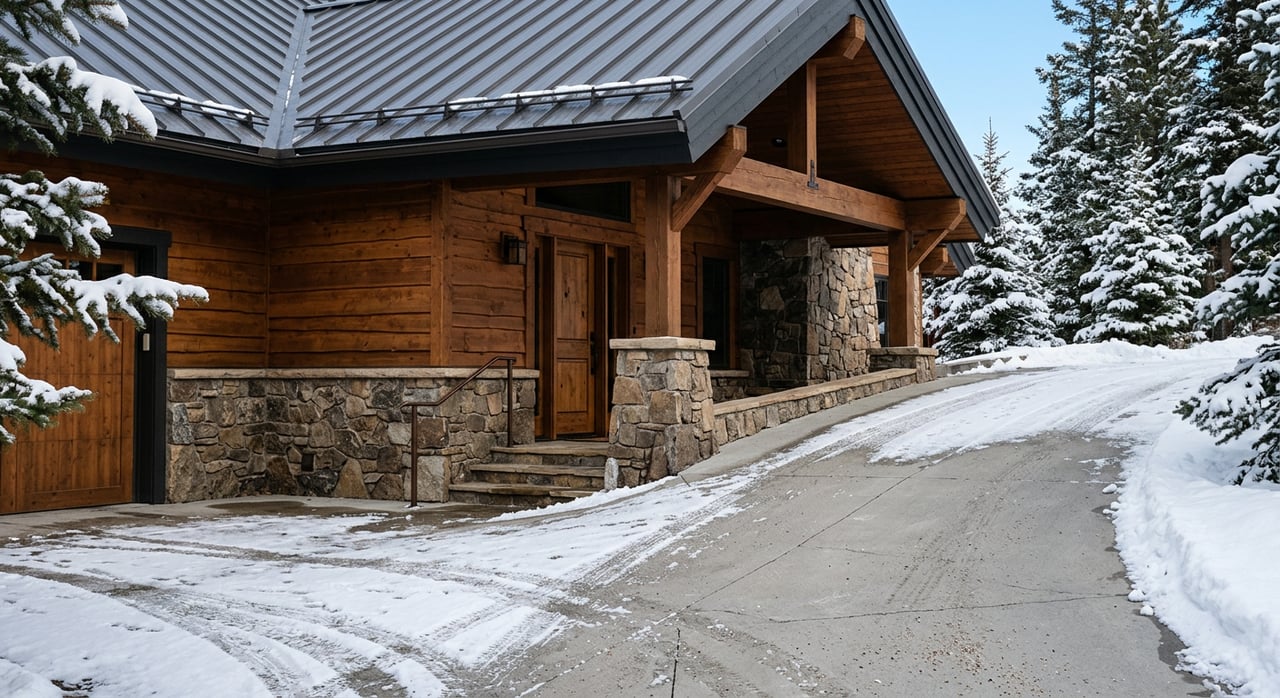
- Heavy snow and windrows: Snowplows can leave berms across driveway openings, especially where cuts and wind exposure cause drifting. You might need a local plow contractor or a capable 4x4 vehicle after big storms. The city and SDDOT note that crews cannot routinely clear private driveways.
- Tight curves and limited margins: Along US-14A, narrow lanes, limited shoulders, and areas with stream interaction make certain segments more vulnerable to ice, rocks, or temporary closures. The SDDOT corridor study identifies unstable slopes and spots where Spearfish Creek runs close to the roadway (SDDOT corridor study highlights).
- Spring runoff and local flooding: Rapid melt can push streams high and damage road surfaces where water crosses or undercuts the corridor. Before you buy, look at the flood history and talk with your agent about FEMA maps. For flow trends and historical context, review the Spearfish Creek USGS streamgage (USGS Spearfish Creek gage).
- Travel advisories: During major events, expect travel advisories or short-term restrictions on canyon roads. SD511 and local city or county alerts are the most up-to-date sources.
Snow removal at your driveway
Here’s the simple breakdown of who clears what:
- SDDOT clears state highways, including US-14A.
- Lawrence County clears county roads.
- The City of Spearfish clears city streets and requires owners to clear sidewalks.
- Private roads and driveways are the owner’s responsibility or shared per written agreements.
Before you buy, ask the seller for maintenance details. Confirm if there is a private plow contract for the driveway, and request any recorded road maintenance agreements if access runs on shared or easement roads. If the home is within city limits, review how windrows are handled in your neighborhood and whether your driveway typically needs additional contractor service after city plows pass (Spearfish Snow Information and advisories).
Practical on-lot features that save you headaches
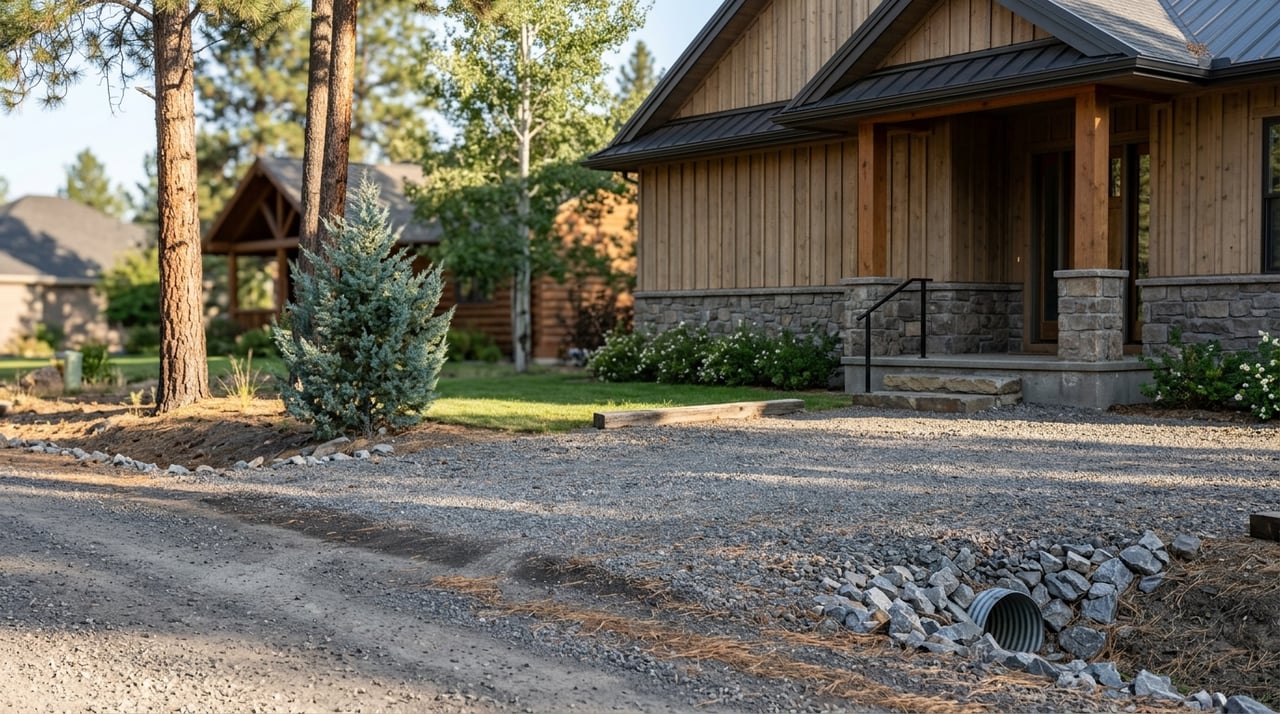
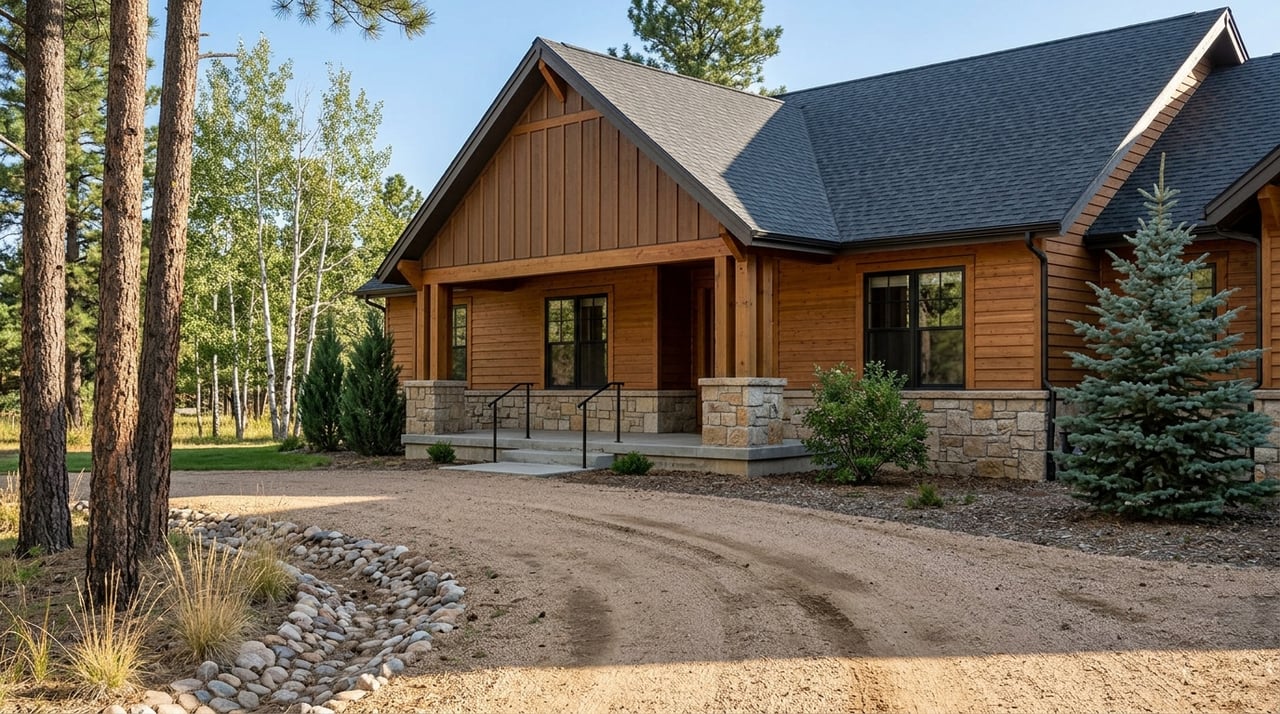
- Driveway design: Long, steep, or narrow driveways are more likely to be impassable in heavy snow and may require recurring plow service. Ensure there is a safe turnaround area for delivery trucks and emergency vehicles.
- Snow storage: Make sure there is space on your lot to pile snow without blocking sight lines or neighbor access.
- Proximity to priority routes: Being near a state route or a top-priority county road can reduce isolation risk during big storms.
- Hydrant access: If there is a municipal hydrant nearby, the city asks owners to clear 3 to 4 feet around it so first responders can access it quickly (Spearfish Snow Information and advisories).
Wildfire, response, and insurance steps
The Black Hills have an active wildfire history, and canyon properties that back to timbered land should treat wildfire as a material factor. Research on the region’s fire regimes documents large historical fires and conditions that can drive rapid spread during dry, windy periods (Black Hills fire regimes overview). Local response in the canyon relies on volunteer fire protection and mutual aid, which can mean longer response times for remote sites. Ask your agent to help you confirm the first-due fire district for any parcel you are considering.
Insurance carriers consider location-specific wildfire and flood exposure when quoting or renewing homeowners policies. Get written quotes early in your process so premiums do not become a surprise at underwriting. Statewide averages can provide context, but final pricing is property-specific (South Dakota homeowners insurance overview).
Mitigation matters. Many insurers and regulators reference science-based home-hardening programs. You can make a property more resilient and often more insurable by upgrading to a Class A roof, using ember-resistant vents, maintaining a clean 0 to 5 foot noncombustible zone around the home, clearing under-deck areas, and using noncombustible siding near the structure. Review the IBHS Wildfire Prepared Home program for practical steps and documentation you can share with your carrier (IBHS Wildfire Prepared Home).
Make access match your lifestyle
Think about how you plan to use the home. If you commute daily, want low-maintenance access, or prefer quick snow response, favor locations on or near state or high-priority county routes and consider addresses within city limits where practical. If you want privacy and scenery above all, a more remote canyon parcel can be a great fit, but plan for occasional isolation and higher ongoing maintenance. Either way, check SD511 during big weather swings so you can time trips in and out safely (SD511 basics).
Buyer checklist: verify before you offer
Use this list to structure questions for the seller and your due diligence during inspections and contingencies.
- Which jurisdiction maintains the access road to the property: City of Spearfish, Lawrence County, SDDOT, or private? Get the road name and agency contact, and confirm seasonal plowing priority and typical clearance lag after storms (Lawrence County Highway).
- Is the driveway on a recorded easement or privately maintained road? Ask for any written maintenance or snow removal agreements.
- After plows pass, who removes windrows at the driveway opening in this area? Confirm whether the city helps in this neighborhood or if it is owner responsibility. Review the city’s snow policies and updates (Spearfish Snow Information and advisories).
- What are the driveway grade, width, and turnaround dimensions? Will standard plow trucks and emergency apparatus be able to reach the home in winter? Request photos and a site plan. For context on tight corridors, see SDDOT’s study findings (SDDOT corridor study highlights).
- Is there space on the lot to store plowed snow without creating sight issues or blocking access?
- How often is the canyon segment near the property posted as restricted or closed during storms? Check recent SD511 history for the corridor (SD511 basics).
- What is the typical cell and internet coverage at the property? Ask the seller for carrier details and do an on-site test with multiple phones.
- Which fire district is first due, and where is the nearest station? Ask for driving distances and typical response times.
- Is the parcel inside a FEMA floodplain, or has it seen creek overflow or drainage issues? Ask for past claims and review the Spearfish Creek gage history for runoff context (USGS Spearfish Creek gage).
- Is the property within the Wildland-Urban Interface or adjacent to dense forest? Ask about local fuel reduction work and any recent or planned USFS treatments nearby (Black Hills fire regimes overview).
- Where are the closest daily services you will need during winter, like fuel and groceries? Longer trips may be needed during severe weather.
- Get formal homeowners insurance quotes that include dwelling and liability. Ask about wildfire-related endorsements, deductibles, any nonrenewal history in the ZIP code, and whether documented mitigation can help with underwriting or pricing (South Dakota homeowners insurance overview, IBHS Wildfire Prepared Home).
- If you plan seasonal use, who will handle winterization, mailbox access, and snow removal while the home is vacant? Consider a local caretaker or service contracts.
Buying near Spearfish Canyon is about matching a stunning setting with clear, reliable access and smart risk planning. When you understand who maintains your road, how weather impacts drive times, and what you can do to prepare your home for winter and wildfire season, you position yourself for a safer, easier experience year after year. If you want help weighing specific addresses against your lifestyle needs, connect with our local team at Real Properties of Lead Deadwood. We’re here to help you find the right fit in the Northern Hills.
FAQs
Are Spearfish Canyon roads plowed after big storms?
- Yes. US-14A is a state route that SDDOT prioritizes and reports on SD511, while county roads and city streets follow their own priorities, and private roads depend on owners or HOAs.
How much snow should I plan for in 57783?
- The 30-year normal for Spearfish is about 70.5 inches per year, with most snow from November through April, though year-to-year totals vary.
Who clears my driveway and sidewalk inside Spearfish city limits?
- The city plows city streets, and property owners must clear sidewalks within 24 to 48 hours; private driveways are the owner’s responsibility.
Is wildfire a real concern near canyon properties?
- Yes. The Black Hills have a documented wildfire history; ask about your first-due fire district and consider home-hardening and defensible space.
Will insurance be harder to get near the canyon?
- Insurers consider wildfire and flood exposure; get written quotes early and ask about mitigation credits tied to documented improvements.