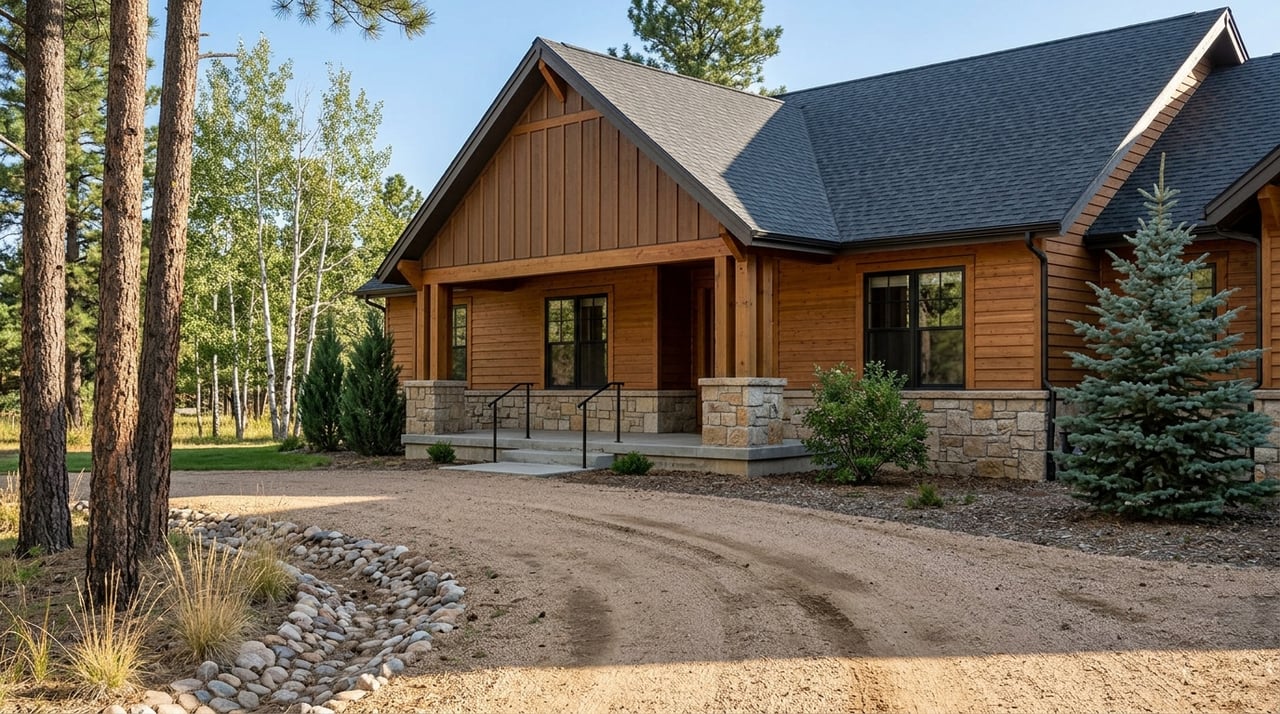
Buying land or a rural home site in Lawrence County can feel simple at first glance. You find the acreage, picture the views, and start making plans. But in this part of the Black Hills, buildability is not just about lot size. It often comes down to zoning, access, septic, floodplain status, and whether the parcel falls under county or city rules. If you want fewer surprises before closing, this guide will walk you through the basics and help you ask better questions early. Let’s dive in.
Start With Jurisdiction
One of the first things to confirm is who actually controls the zoning rules for the parcel. Lawrence County Planning & Zoning manages land use in the unincorporated parts of the county, but properties inside Spearfish, Deadwood, Lead, or Whitewood follow that municipality’s own zoning rules.
There is one important twist in the Spearfish 3-mile jurisdiction. In that area, Spearfish handles building permits and platting, while county zoning and variance rules still apply. That means you may need to look at more than one layer of regulation before you decide a property fits your plans.
The county is clear that the official zoning map kept by the Planning & Zoning Department is the final authority on current zoning status. Online tools can help, but buyers should treat the planning office as the final check before writing an offer.
How To Verify Zoning
Before you assume a parcel allows a home, animals, a short-term lodging concept, or a future split, verify the zoning directly with the county. Lawrence County says buyers can do this by providing the planning office with the street address and parcel number from the most recent tax statement.
The Planning & Zoning Office is located at 90 Sherman Street in Deadwood, and the office phone number is 605-578-3871. The county also directs buyers to its GIS mapping site, but the official map in the department remains the final authority.
This matters because zoning is not only about the district name. The county can also help interpret whether a use is allowed by right, allowed only with a conditional use permit, or not allowed as written.
Understand Allowed Vs. Conditional Uses
A common buyer mistake is thinking a property is usable for any rural purpose as long as it has enough acreage. In Lawrence County, zoning rules separate allowed uses from conditional uses.
Allowed uses are permitted by right within that district. Conditional uses require a special permit and board review through the public hearing process. If a use is not listed, the county often treats it as not allowed unless the office interprets it otherwise.
That distinction matters if you are considering something beyond a basic home site. Uses such as campgrounds, bed and breakfasts, specialty resorts, outdoor recreation businesses, or certain utility and extraction activities often need extra review depending on the district.
Rural Districts Buyers Compare Most
For many buyers in the 57759 area and greater Lawrence County, the decision comes down to a few common county zoning districts. Here is a practical look at the ones you are most likely to compare.
A-1 General Agriculture
A-1 is designed to preserve land for agricultural use and avoid scattered non-farm development. New single-family homes are allowed, including modular, manufactured, and mobile homes, but new residences must meet specific county requirements before a building permit is issued.
Those requirements include quarter-quarter section eligibility, approved road access, keeping the remaining land in agricultural use, and filing a Right to Farm Covenant. A-1 uses a 40-acre density and minimum lot standard, along with 25-foot setbacks.
This district also allows many farm and rural uses by right, including farming, grazing, forestry, accessory structures, home occupations, home daycare, greenhouses, nurseries, roadside stands for products raised on the property, and personal-use sand, gravel, or rock extraction. More intensive uses like campgrounds, specialty resorts, bed and breakfasts, commercial outdoor recreation, mineral extraction, feed lots, and wind systems are conditional uses.
A-2 Residential Agriculture
A-2 is often viewed as a transition district between A-1 and more urban or higher-density zoning. It still supports a rural setting, but with a lower acreage threshold than A-1.
A-2 allows single-family homes and many agricultural uses. The district uses an average density of 10 acres, an 8-acre minimum, and 25-foot setbacks. Clustering can allow 2-acre minimum lots if the overall density is preserved in open space.
Typical conditional uses in A-2 include bed and breakfasts, specialty resorts, commercial recreation facilities, roadside stands, wind systems, and personal-use airstrips or heliports. If your plans go beyond a standard residence, this is a district where details matter.
RR Rural Residential
RR is often the district buyers want when they are looking for a home site with elbow room. It is intended for large-lot residential acreage where sewage disposal, water supply, roads, and emergency services are available.
RR allows single-family homes, home occupations, home daycare, farming, forestry, non-commercial riding stables and arenas, and farm animals or poultry so long as they do not create a public nuisance. The district uses a 5-acre average density, a 2-acre minimum lot size, and 25-foot setbacks.
For many buyers, RR is the closest fit for a build site with room for animals, outbuildings, or a shop-style setup. Even so, larger public, commercial, or nuisance-sensitive uses may still require conditional use review.
PF Park Forest
PF is geared toward preserving natural beauty, resources, and open character. If you are drawn to scenic or wooded acreage, this district may come up often.
PF allows homes, farming, forestry, personal-use airstrips, personal-use quarries, and other lower-intensity rural uses. It uses a 5-acre average density, a 2-acre minimum lot size, and 25-foot setbacks.
More intensive uses such as lodges, meeting places, campgrounds, commercial recreation, wind systems, bed and breakfasts, and some public or utility uses require conditional use permits. So while PF can work well for a private rural property, it may not be the right fit for every business or hospitality concept.
RC Recreation Commercial
RC is different from the rural districts above. It is intended for destination and recreation-serving development rather than general highway commercial use.
RC allows one dwelling for the owner or manager, along with lodging, dining, recreation-oriented retail, parks, campgrounds, golf, vendor space, and condos or apartments if they are served by a community sewer and water system. Conditional uses can include private outdoor recreation facilities, summer camps, riding academies or stables, and convenience-store or gas uses.
If you are looking at a hospitality or recreation-oriented property, RC may be worth a closer look. But it is still important to confirm exactly what is permitted by right and what needs added approval.
Due Diligence Before You Write An Offer
Zoning is only one piece of the puzzle. In Lawrence County, the county makes it clear that buildability depends on several factors, not just acreage size.
Here are the items worth checking before you commit:
Confirm Access And Legal Buildability
The county requires approved road access for certain new residential construction, and subdivision rules also require lot design that allows building permits and driveway access from an approved street. A beautiful parcel can still become a problem if legal access is unclear.
You should also check utility easements and county rights-of-way. Lawrence County says no permanent structure is allowed in a utility easement, and any approach or improvement within a county right-of-way needs county approval before installation.
Review Septic Early
Septic feasibility is a major land-buying issue in this area. Lawrence County says wastewater systems must be designed by a state-licensed engineer and installed by state-licensed installers.
The county also states that a septic permit and engineer design must be in hand before a building permit is issued. If you are buying vacant land, this is one of the most important early checks.
Check Floodplain Status
Floodplain review can affect both timeline and buildability. Lawrence County says some parcels may require a detailed flood study or elevation information before a building permit is issued.
In some cases, a parcel may even be considered unbuildable. That is why floodplain status should be part of your early property review, not an afterthought.
Know The Subdivision Rules
If you hope to split land now or later, read the subdivision rules early. The county says its subdivision regulations govern unincorporated land, and proposed parcels of 40 acres or more that cannot be described except by metes and bounds must be platted.
The county also says no plat can be recorded and no lots sold until approval is granted. If subdivision potential is part of your buying strategy, timing and process matter.
Understand Building Permit Triggers
Lawrence County requires building-permit review for new construction, additions, decks, deck replacements, moving buildings, and other structures at or above 200 square feet. Dirt work may begin first, but no concrete may be poured without a permit.
The county also requires a contractor license for work in the county and issues an occupancy permit after required inspections pass. For buyers budgeting a future build, this gives you a better sense of the steps ahead.
Ask About Mobile Homes And Covenants
The county FAQ says a mobile home is allowed as a single residence on a single lot in any zoning district unless restricted by covenants. A moving permit and building permit are required, and mobile home parks are not permitted.
Separately, if the parcel is zoned A-1 and you plan to build a new home, the county requires a Right to Farm Covenant before the building permit is issued. This recorded notice states that normal agricultural impacts may occur, including noise, dust, odors, and machinery operation.
Timing Matters More Than Buyers Expect
If your plans require a zoning change, variance, conditional use permit, or subdivision approval, build extra time into your purchase strategy. Lawrence County states that Planning & Zoning Board meetings are monthly.
The county calendar also says applications and plats must be submitted 22 days before a regular Planning & Zoning meeting. That timing can influence when you close, when you can start improvements, and whether your contract needs longer contingency periods.
Why Local Guidance Helps
A land purchase in Lawrence County can look straightforward until you start sorting through jurisdiction, zoning language, access, septic, and permit timing. That is especially true for out-of-area buyers, second-home shoppers, and anyone comparing multiple rural parcels at once.
When you work with a local brokerage that understands acreage, building-site questions, and the Deadwood-Lead area, you can move forward with more confidence. If you are exploring land, a rural home site, or a specialty property in the Northern Hills, Real Properties of Lead Deadwood can help you ask the right questions before you buy.
FAQs
How do you verify zoning for a property in Lawrence County, SD?
- Contact the Lawrence County Planning & Zoning Office with the property address and parcel number from the latest tax statement, and confirm the district using the official zoning map kept by the department.
What zoning rules apply to property inside Lead, Deadwood, Spearfish, or Whitewood?
- If a parcel is inside one of those municipalities, that city uses its own zoning rules, though property in the Spearfish 3-mile jurisdiction may involve Spearfish permit and platting rules along with county zoning and variance rules.
What is the difference between allowed and conditional uses in Lawrence County zoning?
- Allowed uses are permitted by right in a zoning district, while conditional uses require a special permit, board review, and a public hearing process.
What zoning district in Lawrence County often fits buyers who want acreage for a home and animals?
- RR Rural Residential is often the closest fit for buyers who want a residential build site with room for animals or similar rural living uses, subject to district rules and nuisance standards.
What should buyers check before buying vacant land in Lawrence County?
- Confirm the exact zoning district, access, subdivision status, septic feasibility, floodplain status, utility easements, rights-of-way, and any permit requirements before making an offer.
Does Lawrence County require septic approval before a building permit?
- Yes, the county says a septic permit and engineer-designed wastewater system must be in place before a building permit is issued.
Can you place a mobile home on land in Lawrence County, SD?
- The county FAQ says a mobile home may be allowed as a single residence on a single lot in any zoning district unless private covenants restrict it, and required moving and building permits still apply.