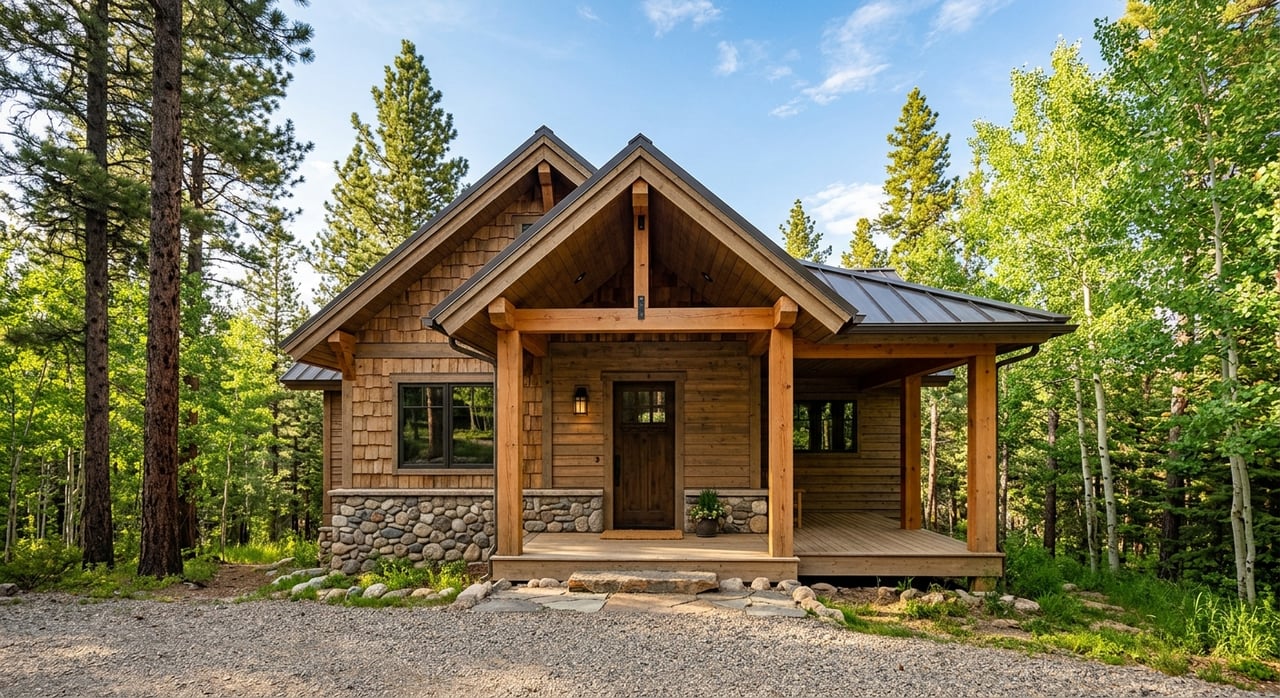
If your ideal reset looks less like a packed itinerary and more like pine-covered hills, fresh air, and a quiet place to land after a day outside, weekend cabin life in the Northern Hills may feel like a natural fit. You want a retreat that is relaxing, practical, and actually usable through more than one season. This guide walks you through what that lifestyle looks like around Lawrence County, what to expect in winter, and which ownership details matter before you buy. Let’s dive in.
What weekend cabin life looks like
In the Northern Hills, a weekend cabin is usually about access to the outdoors first. Lawrence County’s unincorporated rural areas are managed through county planning and zoning, and the Northern Hills Ranger District covers about 326,000 acres in the northern Black Hills. That means a lot of cabin appeal comes from nearby trails, forest access, scenic drives, and seasonal recreation rather than from being close to urban amenities.
One of the best-known anchors for this lifestyle is Spearfish Canyon. The Forest Service highlights it as a year-round scenic drive with access to Bridal Veil Falls, Little Spearfish Falls, Roughlock Falls, and strong fall color in September. If you picture a cabin weekend with coffee on the deck and an afternoon hike through ponderosa pine, aspen, and birch, this is the kind of setting people have in mind.
Some cabin areas also offer a more tucked-away feel without losing outdoor access. The South Boxelder Trailhead near Nemo connects to year-round Centennial Trail and OHV access, which helps show how secluded properties in northern Lawrence County can still be closely tied to recreation. For many buyers, that balance is the whole point.
Why the Northern Hills work for short stays
A good weekend property needs to feel worth the trip. In the Northern Hills, that usually means you can arrive on Friday, settle in, and spend the next day or two hiking, riding, skiing, snowshoeing, or just taking in the drive without needing a long list of in-town plans.
During warmer months, the Black Hills National Forest offers a broad menu of activities. The Forest Service says the forest has about 450 miles of hiking trails, and warm-weather weekends often center on hiking, biking, horseback riding, fishing, and scenic driving. If you want a place that helps you unplug instead of fill every hour, that rhythm fits the cabin lifestyle well.
Motorized recreation is part of the appeal for some buyers too. The trail network is extensive, but use is limited to designated routes shown on the official Motor Vehicle Use Map. If that access matters to you, it is worth looking closely at how a specific property connects to legal trail and road systems.
Winter changes the cabin rhythm
A Northern Hills cabin is not just a summer idea. In winter, many properties shift from hiking basecamp to snow-focused retreat, especially in the Lead and Deadwood corridor.
Terry Peak is one of the biggest reasons. It describes itself as South Dakota’s largest ski area, with more than 25 trails and 600 acres of skiable terrain. Eagle Cliff adds 24 ski and snowshoe trails in the Northern Hills, giving cabin owners more than one way to use the area once the snow arrives.
Snowmobiling also shapes the winter experience. South Dakota Game, Fish and Parks says snowmobile trails are open from December 15 through March 31, and the statewide system includes more than 1,500 miles, with the Black Hills and Northern Hills network serving as a major draw. Snowmobiles must be properly licensed, and riders using road rights-of-way or public snowmobile trails must also carry proof of liability insurance.
For some buyers, this is the difference between owning a seasonal getaway and owning a true four-season property. A cabin that works for summer trail weekends and winter snow weekends often gives you more ways to enjoy the purchase over time.
Access matters more than you think
Cabin life sounds simple until you start thinking about the road in, the driveway, and winter arrival conditions. In Lawrence County, those details are not side issues. They are core buying questions.
Lawrence County’s Highway Department handles county roads, including snow removal, sanding, grading, and repair. It does not handle municipal roads, U.S. highways, state roads, or Interstate 90. That division matters because a property can feel close on a map but still depend on road conditions and maintenance responsibilities that affect how easy it is to reach.
For winter travel, South Dakota’s Winter Weather Hub directs travelers to SD511 for current road conditions, closures, weather, and county or tribal no-travel advisories. The state’s public guidance is clear that conditions can change quickly enough to affect a weekend arrival. If you are planning a Friday evening drive into the hills, checking SD511 or calling 511 should be part of your routine.
The last mile deserves special attention. Lawrence County’s building permit application asks about driveways, access, wells, septic, and setbacks, which shows how seriously access is treated at the local level. Before you buy, it is smart to confirm who maintains the road, whether the driveway is already approved, and what access may look like in snow season.
Budget beyond the purchase price
Buying the cabin is only one part of the financial picture. The recurring costs and compliance items can shape whether the property still feels comfortable to own a year or two later.
Property tax is the main ongoing public cost. South Dakota assesses property at market value and then equalizes taxable value to 85%. In Lawrence County, tax bills are paid one year in arrears, notices go out in January, the first half is due by April 30, and the second half is due by October 31. If there are special assessments, they are due in full by April 30.
Many second-home buyers also ask whether a weekend cabin receives the same tax treatment as a full-time residence. In South Dakota, owner-occupied status is tied to a property being your primary residence, so a typical weekend cabin usually does not qualify for that break. That is an important budgeting detail if you are comparing a second home to a future full-time move.
South Dakota also has no state income tax, which some buyers like to factor into their broader cost picture. At the same time, the state has a 4.2% sales and use tax, so furnishings, supplies, and online purchases can still add to your setup and maintenance costs.
Building, remodeling, and septic costs
If you are buying land, planning an addition, or eyeing an older cabin that needs work, local requirements matter. Lawrence County requires permits for new construction, additions, decks, replacement decks, and moved buildings. The county also states that no concrete may be poured before a permit is issued.
Roof plans must show ground snow load based on elevation, and site plans must show items such as wells, septic, driveways, utilities, easements, and setbacks. On some lots, wildfire mitigation or survivable-space plans may be required. Floodplain permits may also be needed where applicable.
Septic is another major ownership issue in rural cabin areas. Lawrence County states that all wastewater systems must be designed by a state-licensed engineer and installed by state-licensed installers. For buyers considering a vacant lot, a fixer-upper, or a major remodel, that requirement is one reason septic work can become a meaningful part of the budget.
A simple weekend cabin checklist
Before you move forward on a cabin or recreational property, keep your focus on the basics that shape day-to-day use.
- Confirm who maintains the road and driveway access
- Check how the property functions in winter travel conditions
- Review property tax timing and any special assessments
- Ask whether planned improvements require county permits
- Verify well, septic, driveway, and setback details
- Consider whether the location fits your preferred recreation in both warm and cold seasons
- Review whether motorized access nearby is on designated legal routes
Why local guidance helps
Weekend cabins in the Northern Hills are appealing because they offer something hard to fake: real access to the Black Hills lifestyle. But the same things that make these properties special, like rural roads, elevation, septic systems, snow loads, and recreation access, also make them more place-specific than a standard in-town purchase.
That is where local knowledge becomes useful. When you are comparing a canyon-area retreat, a ski-oriented cabin near Lead, or a more secluded property with trail access, small details can make a big difference in how the property actually lives. A hands-on local brokerage can help you sort through those details with clarity before you commit.
If you are exploring weekend cabin life in the Northern Hills, connect with Real Properties of Lead Deadwood for local guidance on cabins, rural property, and recreational real estate in the Black Hills.
FAQs
What does weekend cabin life in the Northern Hills usually include?
- It usually centers on outdoor access such as scenic driving, hiking, biking, horseback riding, fishing, skiing, snowshoeing, and snowmobiling, depending on the season and the property’s location.
What winter recreation is available near Northern Hills cabins?
- Winter options in the area include downhill skiing at Terry Peak, cross-country skiing and snowshoeing at Eagle Cliff, and snowmobiling on the regional trail network during the open season.
What should you check about road access for a Lawrence County cabin?
- You should check who maintains the road, how snow removal is handled, whether the driveway access is approved, and current travel conditions through SD511 during winter weather.
How are property taxes handled for a cabin in Lawrence County?
- Property taxes in Lawrence County are paid one year in arrears, with the first half due by April 30 and the second half due by October 31, while special assessments are due in full by April 30.
Does a weekend cabin in South Dakota qualify as owner-occupied property?
- A typical weekend cabin usually does not, because owner-occupied status in South Dakota is tied to a property being your primary residence.
What permits might apply to cabin improvements in Lawrence County?
- Permits may be required for new construction, additions, decks, replacement decks, and moved buildings, and site and roof plan requirements can also apply depending on the project.
Why is septic such an important issue for rural cabin property?
- In Lawrence County, wastewater systems must be designed by a state-licensed engineer and installed by state-licensed installers, which can make septic planning and installation a significant part of ownership costs.