Thinking about selling your home in Whitewood? It is easy to picture a quick listing, a fast offer, and a smooth closing, but the real process usually has a few more moving parts. If you know what to expect ahead of time, you can make better decisions on pricing, prep, showings, and closing. Here is a practical look at how selling a home in Whitewood often works, and where good local guidance can make the process feel much more manageable.
Whitewood Market Expectations
If you are selling in Whitewood, one of the first things to expect is a market that may require the right mix of pricing, presentation, and patience. Public data snapshots vary, but they point in a similar direction.
Zillow reported an average home value of $413,510 in Whitewood as of April 30, 2026, along with 18 homes for sale and 5 new listings. Realtor.com's May 2026 indicators showed a median listing price of $475,000, 115 active listings, and a median 83 days on market, with homes selling for about asking price on average.
Because those datasets are small and not perfectly aligned, they are best treated as directional. For you as a seller, the main takeaway is simple: Whitewood does not appear to be an instant-sale market, so your asking price and how your home shows can have a big impact.
Prepare Before You List
A smoother sale often starts before your home ever hits the market. The pre-listing stage is where you can uncover issues, improve presentation, and gather key documents so there are fewer surprises later.
Consider a Pre-Sale Inspection
A pre-sale inspection is not required, but it can help you understand your home's condition before buyers do. It may review the structure, roof, plumbing, electrical, HVAC, ventilation, insulation, fireplaces, and in some cases concerns like mold, radon, lead paint, or asbestos.
Even if you plan to sell as-is, it can still be useful to estimate the cost of major repairs. That helps you think more clearly about pricing, negotiation, and how much buyer concern certain issues may create.
Focus on Cleanliness and Curb Appeal
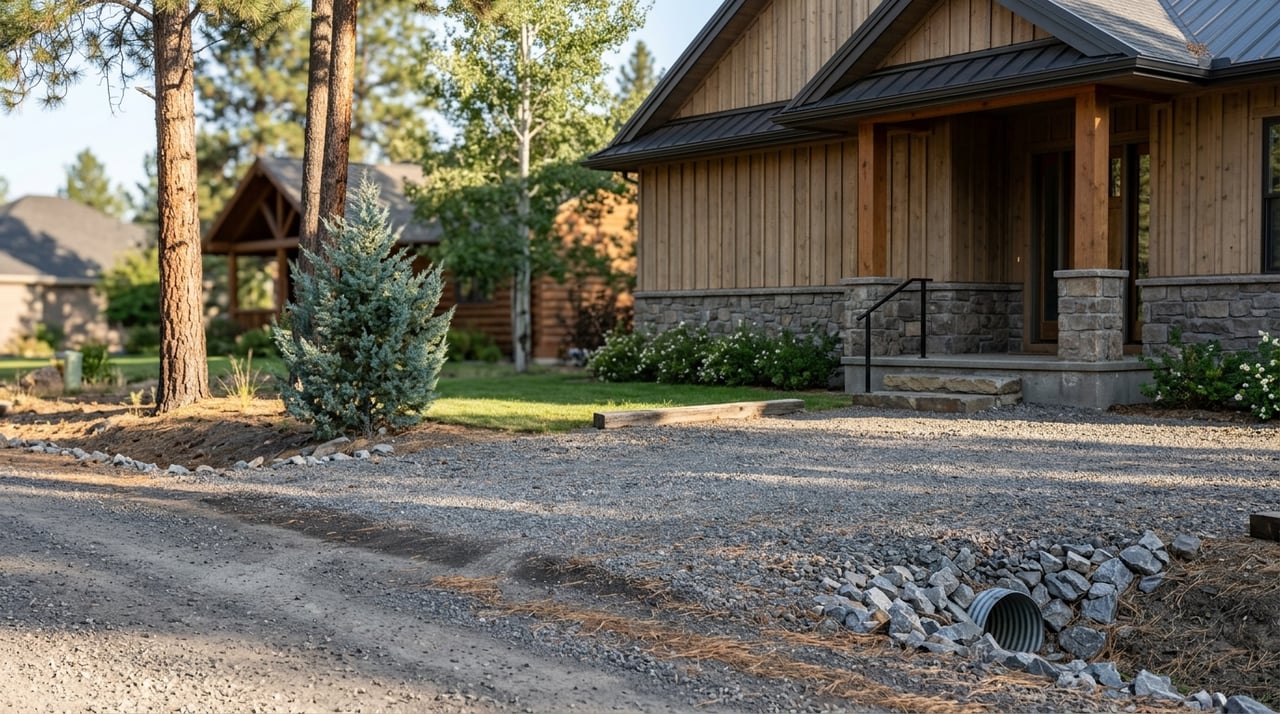
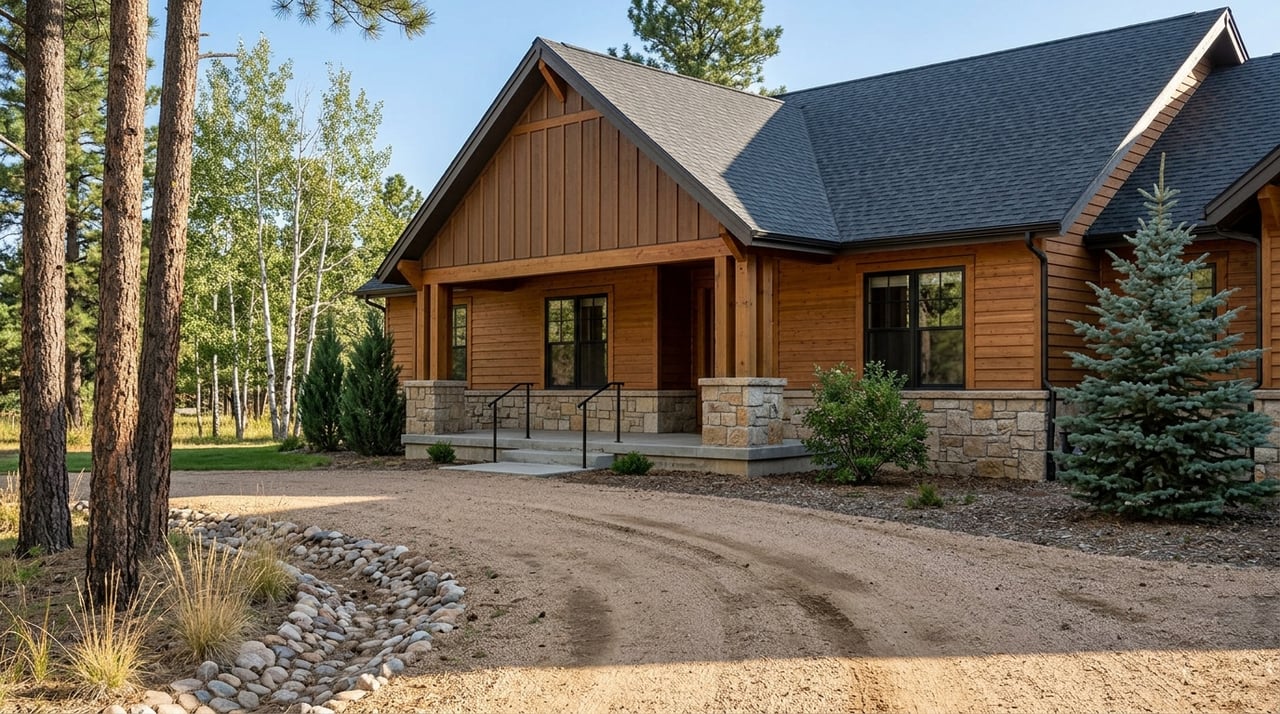
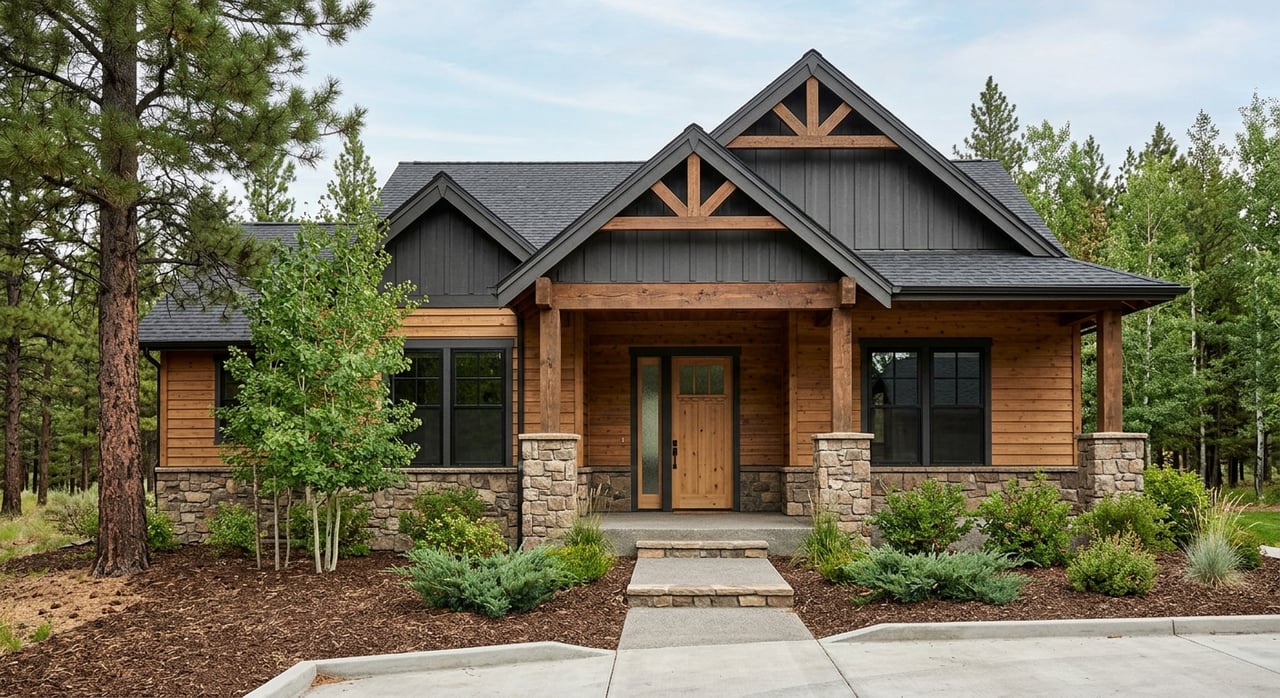
Small preparation steps can make a meaningful difference in buyer perception. Common recommendations include cleaning windows, carpets, lighting fixtures, and walls, reducing clutter, and freshening up the front entrance or landscaping.
These changes do not have to be elaborate. In many cases, a home that feels clean, bright, and easy to walk through gives buyers more confidence and helps them focus on the property itself.
Gather Helpful Documents
Before listing, it is smart to collect warranties, guarantees, and manuals for systems and appliances that will stay with the home. Buyers often appreciate this information, and having it ready can make your transaction feel more organized.
If your home has had important updates or service work, keeping those records together can also help answer buyer questions during the sale process.
Think About Staging
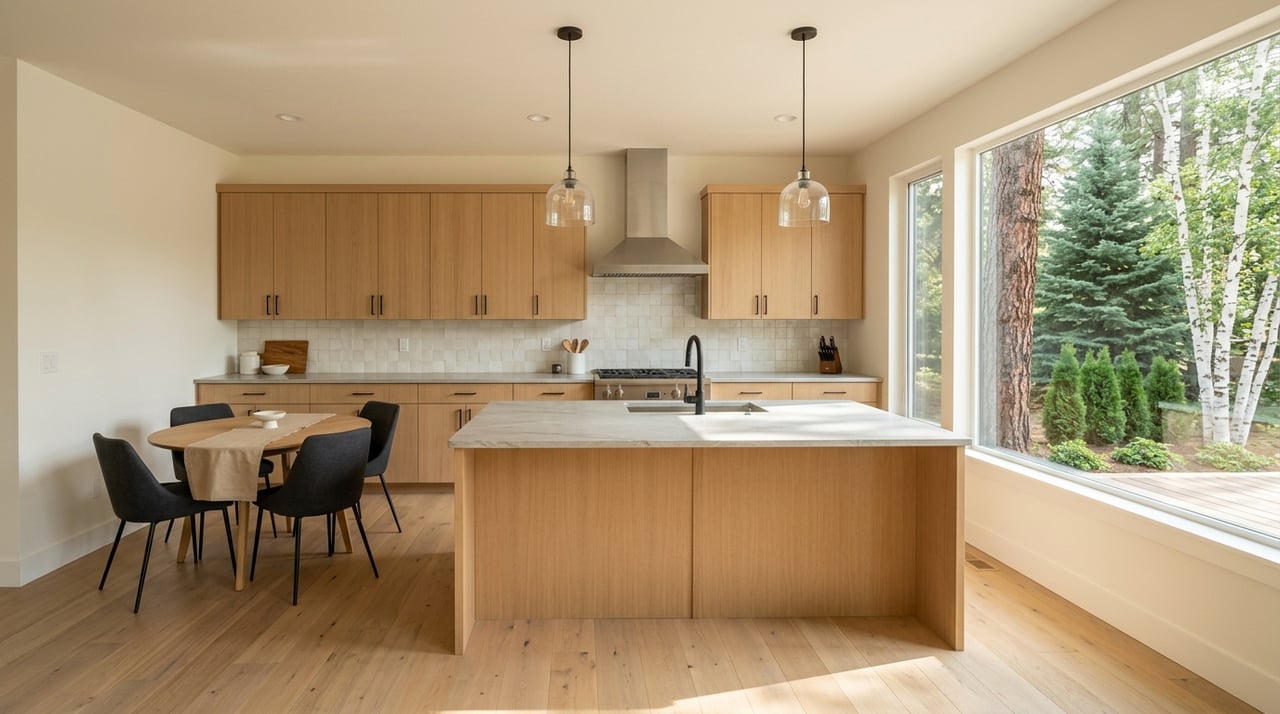
Staging means temporarily cleaning and furnishing a home so buyers can picture themselves living there. That does not always mean a full redesign.
Sometimes staging is as simple as rearranging furniture, removing extra items, and making rooms feel open and functional. The goal is to help buyers understand the space quickly when they walk in or view photos online.
Pricing Your Whitewood Home
Pricing is one of the biggest decisions you will make. In a market where homes may take time to sell, an unrealistic asking price can reduce early interest and lead to a longer time on market.
A common approach is to use a Comparative Market Analysis, often called a CMA. This looks at MLS data for similar homes that recently sold, failed to sell, or are currently on the market, then helps identify a realistic price range.
Expect Strategy, Not Guesswork
Pricing should reflect your home's condition, features, and how it compares to current competition. It should also account for what buyers are seeing in Whitewood right now, not just what a seller hopes to achieve.
You should also expect some negotiation room. In some cases, sellers choose to offer closing-cost assistance instead of making an immediate price reduction, depending on the offer terms and the overall deal structure.
What Happens After You List
Once your home goes live, the process shifts from preparation to exposure, showings, and buyer response. This is where many sellers start to feel the pace change.
A local agent's role is not just to put your home in the MLS. You should expect support with setting the asking price, marketing the property, sharing feedback from showings, updating you on market changes, and helping manage the contract and transaction details.
Showings and Buyer Feedback
Showings are your opportunity to make a strong impression, but they can also require flexibility. You may need to keep your home ready on short notice and adjust daily routines while it is active on the market.
Feedback from buyers and agents can be useful, especially if your home has been on the market for a while. Repeated comments about price, condition, or layout may help guide your next steps.
Offers and Counteroffers
When offers come in, they may include more than just a price. Buyers often propose terms related to closing date, possession date, deposits, repair requests, and other conditions.
You can accept, reject, or counter an offer. Several rounds of counteroffers are common before both sides reach final agreement, so it is normal if the first offer does not become the final contract without changes.
South Dakota Disclosures to Expect
If you are selling a residential property in Whitewood, South Dakota disclosure rules are an important part of the process. Most residential sellers must provide a Seller's Property Condition Disclosure Statement whether the home is listed with an agent or sold by owner.
The South Dakota Real Estate Commission says the completed disclosure must be given to the buyer before the buyer makes a written offer. If a material fact changes before closing or possession, you must provide a written amendment.
Timing Matters
If the disclosure is delivered after a written offer is made, the buyer may have the right to terminate. The timing window is three days if the disclosure is delivered in person or six days if it is mailed.
That is one reason sellers benefit from getting disclosures completed early. It helps reduce delays and lowers the chance of avoidable contract issues later.
Older Homes and Lead Paint Rules
If your home was built before 1978, federal lead-based paint rules may also apply. Sellers of most pre-1978 housing must disclose known lead-based paint or lead-hazard information, provide the approved lead pamphlet, and give the buyer a 10-day opportunity to test.
The seller does not have to pay for the buyer's inspection or risk assessment. Still, it is something you should expect if you are selling an older home in Whitewood.
Common Contingencies During the Sale
After you accept an offer, the deal usually moves into a contingency period. This is when the buyer works through the conditions that must be satisfied before closing.
Common contingencies include financing, a title search, title insurance, a lender appraisal, an independent inspection, a termite inspection, and the buyer's final walk-through. These are standard parts of many transactions, and they can affect the timeline.
Repairs and Renegotiation
It is common for inspection results or appraisal findings to trigger more discussion. Buyers may ask for repairs, credits, or other adjustments.
That does not always mean the sale is in trouble. Often, it is simply another stage of negotiation that needs clear communication and realistic expectations.
What Closing Looks Like in Lawrence County
Closing is usually more than a quick signature appointment. In a financed transaction, it is the stage where final loan and purchase documents are signed, and the transfer is prepared for recording.
The closing agent typically handles adjustments such as taxes and utilities, calculates seller credits and net proceeds, and helps ensure the buyer's title is recorded. The buyer's possession date is often the same day as closing or within a couple of days after.
Recording and Local Offices
In Lawrence County, the Register of Deeds is the official repository for deeds, mortgages, easements, and related land records. The county also advises owners to work with an abstractor, title company, or attorney if they have questions about transferring property.
That means closing is partly a paperwork event and partly a recording event. There is real coordination happening behind the scenes to complete the transfer properly.
Taxes and Transfer Fees
Sellers in South Dakota should also plan for the real estate transfer fee. State law imposes a fee of 50 cents for each $500 of value, or fraction of that amount, and the grantor pays it unless an exemption applies.
Property taxes are another item that may be prorated at closing. Lawrence County says real estate taxes are paid one year in arrears, tax notices are mailed in January, the first half is accepted through April 30 without penalty, and the second half is accepted through October 31 without penalty.
How Long the Process May Take
Many sellers want to know how long everything will take once a contract is signed. A typical closing often happens within 60 days after both sides sign the agreement, but financing and contingencies can shorten or extend that timeline.
For that reason, it helps to think of your sale as a process with stages, not a single event. From prep and pricing to showings, negotiations, inspections, and closing, each step builds on the one before it.
Why Local Guidance Helps
Selling in Whitewood is not just about putting a sign in the yard. It is about understanding local expectations, preparing your home well, pricing it carefully, and staying organized through disclosures, contingencies, and closing details.
That is where hands-on, local support can make a difference. If you want practical guidance for your next move in Whitewood or the Northern Hills, connect with Real Properties of Lead Deadwood for a personalized home valuation and selling strategy.
FAQs
What should you expect from the Whitewood housing market when selling?
- You should expect a market where pricing, presentation, and patience matter, since public snapshots suggest homes may not sell instantly and may take time to attract the right buyer.
What should you do before listing a home in Whitewood?
- You should prepare the home by cleaning, reducing clutter, improving curb appeal, gathering manuals and warranties, and considering a pre-sale inspection to identify issues early.
What disclosures are required when selling a home in South Dakota?
- Most residential sellers must provide a Seller's Property Condition Disclosure Statement before the buyer makes a written offer, and sellers must update it if a material fact changes before closing or possession.
What contingencies are common after accepting an offer in Whitewood?
- Common contingencies include financing, title search, title insurance, lender appraisal, independent inspection, termite inspection, and the buyer's final walk-through.
What closing costs should a Whitewood seller expect?
- You may need to account for prorated taxes, utilities, seller credits, and South Dakota's real estate transfer fee, along with standard closing and recording-related charges.
How long does closing usually take after a home goes under contract in Whitewood?
- Closing often happens within 60 days after both sides sign the agreement, though the exact timing can change based on financing and contingencies.