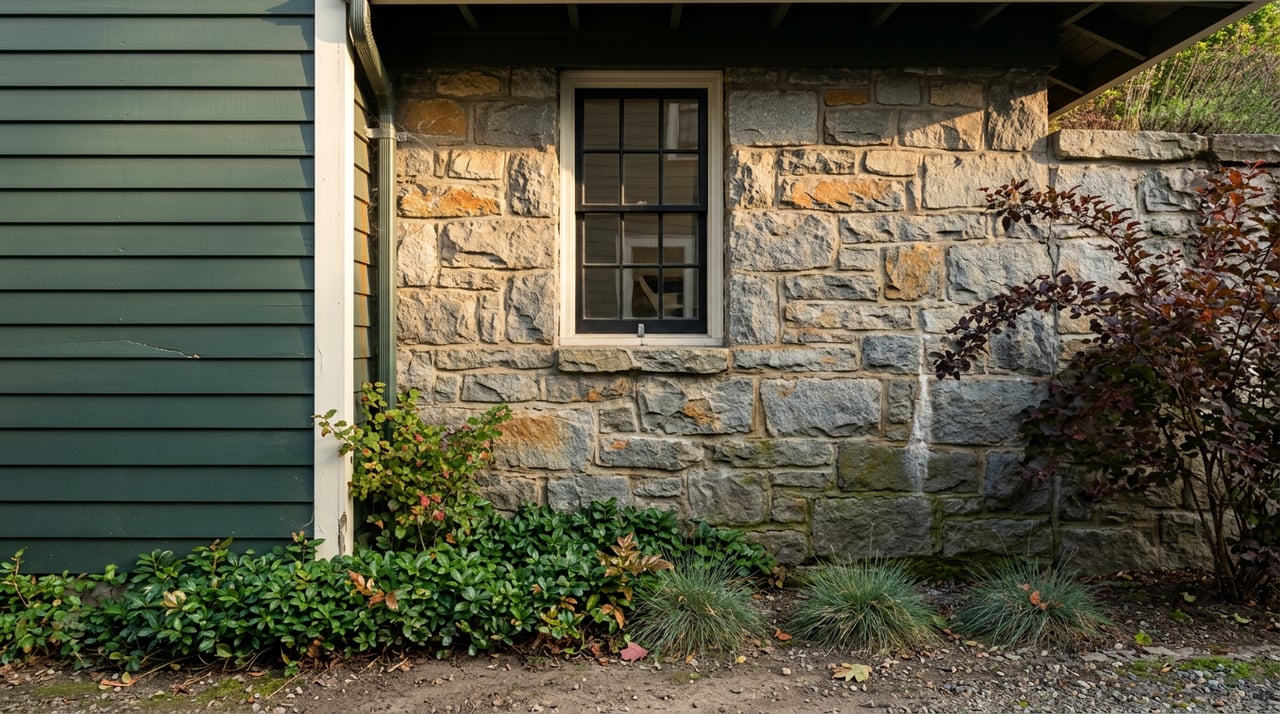
On a Wednesday afternoon in February, Deadwood's Historic Preservation Commission spent part of its meeting voting on a door. Not a museum door, just a fiberglass replacement for a house at 634 Main Street, cut to match the original after moisture rot ate through the frame around it. Commissioners Knipper, Posey, Santochi, Brown, Allen and Williams approved it, then turned to a retaining wall dispute between neighbors on Jackson Street, then signed off on a batch of grant vouchers totaling $14,771.42.
That is what owning a house inside Deadwood's National Historic Landmark District actually looks like day to day. A door swap goes in front of a public commission, and public money often helps pay for it. Once you understand where that money comes from, and that the pipeline just got bigger, you start reading every price tag on a Deadwood historic home differently.
A Preservation Office Funded by Slot Machines
Deadwood legalized limited-stakes gaming in 1989, and the city built its historic preservation program directly into that decision. The Historic Preservation Office describes itself as an outgrowth of that authorization: net municipal gaming proceeds fund preservation work inside the Landmark District, by design, from the start.
That is a structural difference from almost every other historic town in the Black Hills. Lead, Spearfish and Whitewood all have older housing stock worth caring for, but none of them collect a dedicated tax on casino revenue to fund restoration. Deadwood does, and has for over three and a half decades. South Dakota News Watch reported the city has received more than $237 million for historic preservation over the past 35 years from that gaming tax stream.
What a Homeowner Can Actually Draw On
The money does not just repave Main Street. A meaningful share of it flows straight to private homeowners restoring contributing structures. The city's residential grant and loan programs break down roughly like this:
- Residential Preservation Grant (owner-occupied only): caps at $30,000 or 50% of project cost, whichever is less, per property owner per year, according to the state's historic preservation funding guide.
- Foundation Program: targets structural foundation work on residential buildings of up to four dwelling units, since a failing foundation threatens the whole structure above it.
- Residential Revolving Loan Fund: administered by NeighborWorks Dakota Home Resources, reserved for properties that affect individual life safety or show structural deficiencies as determined by the city's building inspector.
- Elderly Assistance Program: available to owner-occupants 65 or older who have held the property at least one year, again tied to life-safety scope.
Owner-occupied projects get grants. Non-owner-occupied projects get loans instead, a distinction worth knowing before you assume a rental property qualifies for the same terms as a primary residence.
The Pipeline Is About to Widen
The gaming tax formula that funds all of this just changed. Senate Bill 102, signed by Governor Larry Rhoden, removes the previous cap on Deadwood's share of the 9% gaming tax effective July 1, 2026, and reallocates 71% of that tax to the city, with 25% flowing to the state general fund and the remainder split between Lawrence County and the local school district.
"I am committed to keeping our communities strong and South Dakota 'Open for Opportunity.'"
That is Rhoden's framing of the bill. Deadwood's own historic preservation officer, Kevin Kuchenbecker, made the local case for it more plainly to lawmakers, arguing the city's preservation allocation had not kept pace with rising gaming revenue even as the city's costs kept climbing.
The base those percentages apply to is also growing on its own. Deadwood's gross gaming revenue hit a record $151.9 million in 2024, up 36% since 2019. Through the first half of 2026, the trend has continued: June's gaming handle rose 12% to $154.7 million, pushing year-to-date handle up 9.63% to more than $827 million, and first-quarter 2026 gaming activity ran 11.44% ahead of the prior year. A bigger base and a bigger percentage means the pool funding those $30,000 restoration grants is now expanding on two fronts at once, right as a buyer today is trying to price the cost of owning something built in the 1880s.
Deadwood Versus Everyone Else
This subsidy does not extend past the city line, and the gap is instructive if you are weighing a historic property in Deadwood against one in Lead or Spearfish. Property owners outside Deadwood can apply to the Outside of Deadwood Grant Program, which has awarded a total exceeding $3.8 million since 2002 to communities across the state, including Lead and Spearfish, but individual awards typically top out around $10,000. A separate statewide Deadwood Fund grant, administered by the South Dakota State Historical Society, ranges from $1,000 to $25,000 per project and is split among applicants statewide, with the most recent spring 2026 round going to projects in eight communities, none of them Deadwood itself, since Deadwood properties draw from their own in-house programs instead.
Put plainly: an owner-occupant restoring a contributing structure inside Deadwood's Landmark District can apply for up to $30,000 a year from the city's own fund. An owner-occupant doing comparable work in Lead or Spearfish is competing for a slice of $10,000 spread across the entire state. That is not a small difference in the true cost of holding an older home, and it rarely shows up in a listing description.
Income-producing historic properties, the inns and small multi-unit buildings this market is known for, have one more lever available. Rehabilitating a certified historic structure for income-producing use can qualify for a 20% federal tax credit on certified rehabilitation expenditures through the National Park Service program, on top of whatever the city or state grants cover.
Why the Median Price Doesn't Settle Anything
Deadwood's transaction volume is small enough that a single sale can swing the headline number for the whole town. One national portal reported a median list price of $432,000 in July 2026, an 18% decrease from July 2025, with a median days-on-market figure of 1,111 days that same month, a sign of just how few homes actually trade hands here in a given stretch. Another portal showed a median sale price of $438,238 as of May 2026, up 2.2% year over year, a figure that looks ordinary until you notice the same portal's own data for July 2025 showed a median sale price of $1.7 million, up 346.7% year over year in that single month. That is not a market repricing overnight. That is what happens when one or two large historic sales land inside a "median" calculated from a handful of transactions.
A third source, pulling from current listings, put Deadwood's estimated home values ranging from $88,000 to just over $12.1 million, with a median estimate near $395,000. None of these numbers are wrong exactly. They are all describing a market too thin for a single median to mean much of anything in any given month.
What This Changes for a Buyer
If you are pricing a contributing structure inside Deadwood's Landmark District, the sale price is only half the picture. The other half is what the Historic Preservation Commission's grant and loan programs will cover once you own it, work that in most other Black Hills towns you would fund entirely out of pocket. That subsidy is a real number, it is capped, and since the July 1, 2026 formula change took effect, the fund behind it has been growing faster than it has in years.
If you are comparing that property to something similar in Lead or Spearfish, run the restoration math both ways before you compare listing prices side by side. The house outside Deadwood may look cheaper today and cost considerably more to bring back to code once the work starts, because the public money that offsets that cost inside Deadwood simply is not available on the outside.
If a specific address is contributing to the Landmark District, or eligible for it, that status changes financing conversations, insurance conversations, and the practical restoration budget in ways a portal listing will never surface. That is exactly the kind of detail worth walking through with someone who tracks these commission agendas month to month.
Reach out to Real Properties of Lead-Deadwood and speak with a Deadwood Neighborhood Expert about what a specific historic property qualifies for, and what it might actually cost you to own.